November 5, 2026
Why Quality Installation Matters for Roof Replacement in Succasunna, NJ
By @devinqqig461
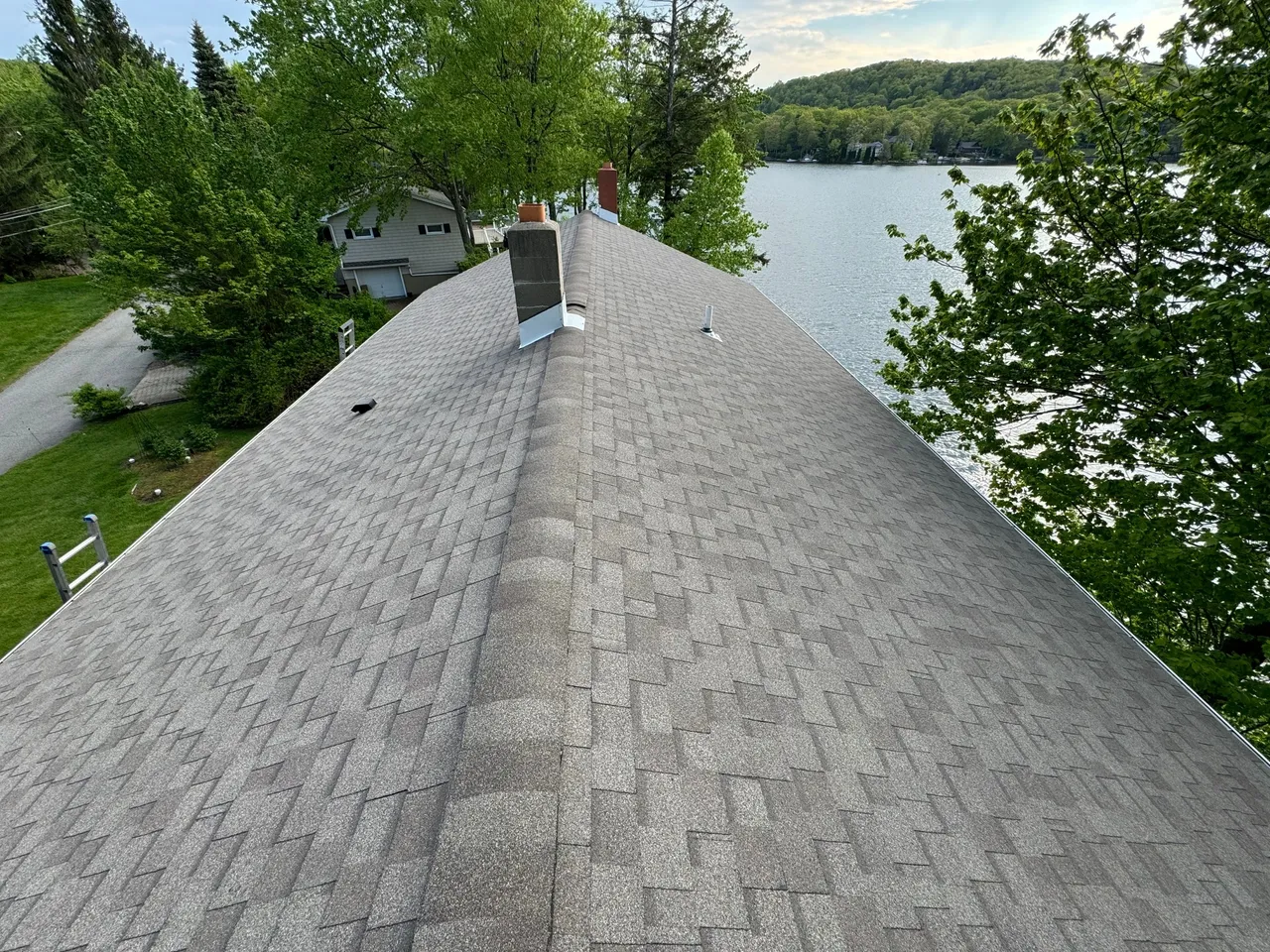
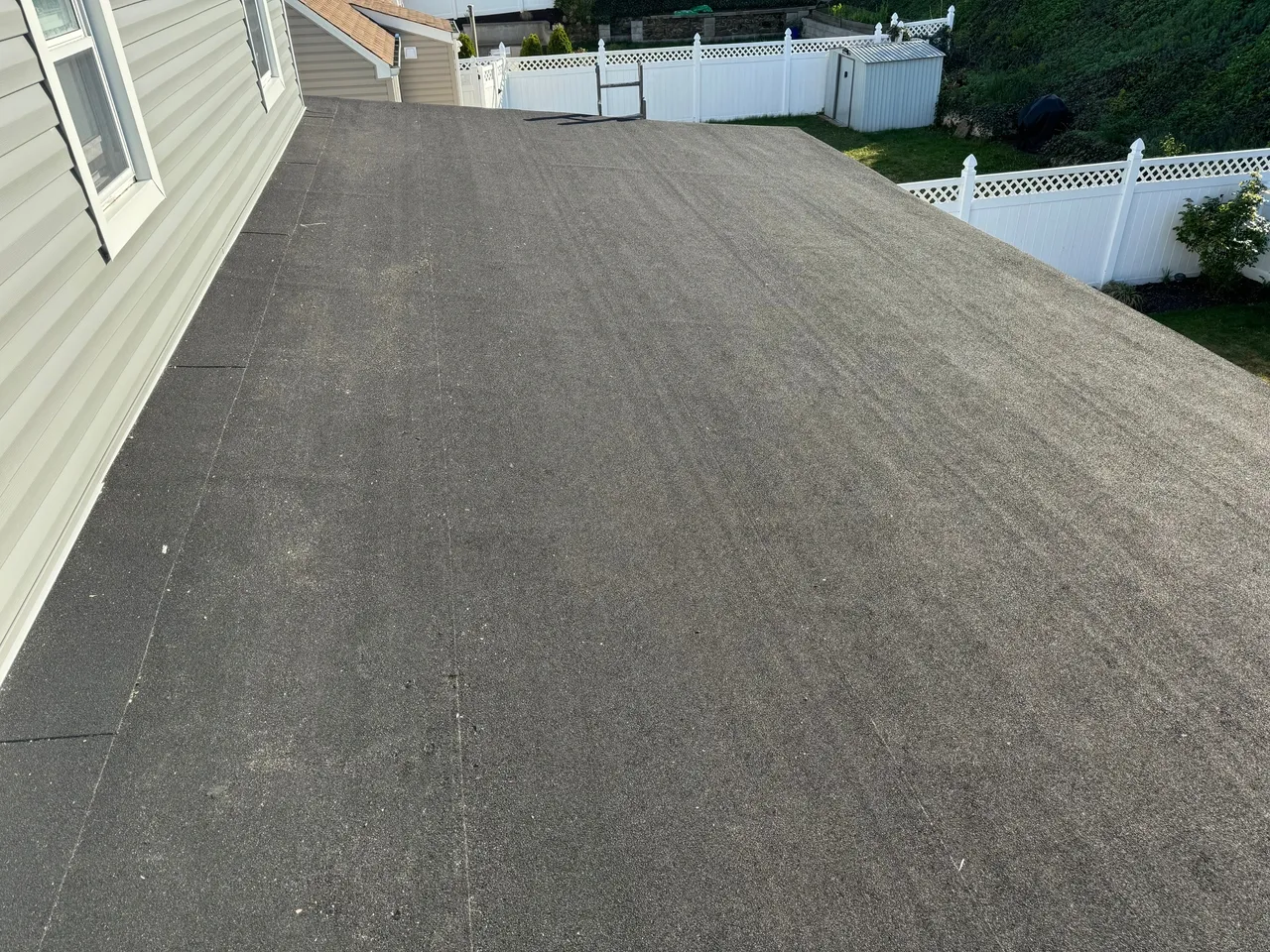

A roof replacement is one of the biggest exterior investments a homeowner will make, and in Succasunna, the quality of the installation often matters just as much as the material itself. People understandably spend time comparing shingle colors, warranties, and price points. Far fewer ask detailed questions about flashing methods, ventilation balance, ice and water protection, or how the crew handles the roof deck once the old system comes off. Those details are where the job is won or lost.
In Morris County, roofs deal with a little bit of everything. Winter ice, spring rain, humid summer heat, sudden wind events, and the steady freeze-thaw cycle all work on the same set of seams, nails, valleys, and penetrations. A roof can have premium materials and still fail early if those parts are installed carelessly. On the other hand, a well-installed roof using solid, mid-range materials can perform reliably for many years because the vulnerable points were handled correctly from the start.
That is the central issue with Roof Replacement Succasunna, NJ homeowners should keep in mind. Roofing is not simply about covering a house. It is about creating a water-shedding system that must remain dependable through seasons of expansion, contraction, wind uplift, and moisture exposure. Quality installation turns a pile of components into a functioning system. Poor installation leaves behind a collection of expensive parts with weak links hidden under the surface.
The roof is a system, not just shingles
Homeowners often refer to the roof as if the shingles are the whole story. They are the visible layer, so that is understandable. Yet shingles are only one part of a larger assembly. Underlayment, flashing, starter strips, ridge vents, drip edge, pipe boots, valley protection, fasteners, and attic ventilation all interact. If one piece is installed incorrectly, the others can only compensate so much.
A common example is flashing around chimneys and sidewalls. Even a high-end architectural shingle cannot prevent leaks if step flashing is skipped, reused when it should have been replaced, or buried carelessly in sealant. Caulk has its place, but it should never substitute for proper water management. Water always looks for the easiest path. If metal transitions are not layered correctly, water finds the opening eventually.
The same goes for underlayment. Many homeowners never see it, but roofers know it matters. Underlayment provides a secondary barrier beneath the shingles. In areas prone to ice dams or wind-driven rain, its quality and placement can make the difference between a roof that shrugs off a storm and one that leaks into a bedroom ceiling.
When contractors discuss a full roof replacement, the strongest conversations usually center on these unseen components. Good installers know the hidden work is what protects the house. Bad installers know the homeowner may never notice until the first problem appears, often long after the crew has moved on.
Succasunna homes present real-world installation challenges
Succasunna has a housing mix that creates a range of roofing conditions. Older homes may have multiple roof planes, additions, aging decking, and chimneys that need careful attention. Newer homes can have steeper pitches, more complex ventilation layouts, and larger roof areas exposed to wind. No two replacement jobs are exactly alike, which is why installation quality cannot be treated as a routine checkbox.
On many older homes in the area, it is not unusual to uncover soft decking near eaves, around plumbing penetrations, or beneath old flashing details. That does not always mean the previous roof failed completely. Sometimes it means a small leak went unnoticed for years, or inadequate attic ventilation allowed moisture to build up from inside the home. A competent roofer adjusts when conditions are exposed. A rushed crew tries to cover problems as quickly as possible.
I have seen jobs where a homeowner thought they were buying a straightforward replacement, only for the tear-off to reveal damaged sheathing around a bathroom vent and along a valley where debris had trapped moisture. The contractor who handled it well explained the issue clearly, replaced the affected sections, and rebuilt the area correctly before shingling resumed. The contractor who would have handled it poorly would have covered over the damage and kept moving. From the ground, both roofs might have looked identical on day one. Five years later, they would not.
This is one reason price comparisons can be misleading. In roof replacement, part of what you are paying for is judgment. Not just labor hours, not just materials, but the willingness and skill to correct what is found when the old roof comes off.
The hidden cost of poor workmanship
When people hear "bad installation," they often imagine dramatic leaks pouring into the living room. That does happen, but more often the problems are subtle at first. A nail placed too high may leave a shingle vulnerable to wind. A poorly aligned starter strip can affect the first course. Improper nailing patterns reduce resistance in storms. Inadequate attic ventilation can shorten shingle life and contribute to mold, moisture accumulation, or excessive heat in summer.
The frustrating part is that many installation mistakes do not announce themselves right away. They age into visibility. By the time stains appear on drywall or shingles start lifting, the original cause may be buried under several layers of finished work.
Some of the most common trouble spots in Roof Replacement Succasunna, NJ projects include:
- valleys where water concentrates heavily during storms
- chimney and wall flashing transitions
- eaves vulnerable to ice dam backup
- roof penetrations such as plumbing stacks and exhaust vents
- ridge ventilation installed without proper intake balance
Each of these areas demands care, not speed. Valleys need the right method for the roof design and local conditions. Flashing has to be integrated in sequence, not patched after the fact. Ice and water protection must be placed where climate and roof geometry call for it. Ridge venting only works if soffit or other intake ventilation supports it. Otherwise, the system is incomplete.
Poor workmanship usually costs more than a higher-quality installation would have in the first place. Homeowners may face drywall Roof Replacement Succasunna, NJ repair, insulation replacement, mold remediation, decking repairs, or the partial re-roofing of problem sections. Even when a manufacturer’s warranty exists, those warranties often do not cover failures caused by installation errors. That is an unpleasant surprise for people who assumed a long material warranty guaranteed peace of mind.
Why local weather makes installation quality even more important
Roofing in New Jersey is not forgiving. Winter can produce ice dams along eaves, especially on homes with heat loss into the attic or uneven roof temperatures. Spring and summer bring heavy rain, thunderstorms, and occasional high winds. Autumn loads gutters and valleys with leaves, which can hold moisture against vulnerable areas if drainage is poor.
These conditions punish shortcuts. A roof installed in a dry week may seem fine under normal conditions, then fail during the first driven rain that hits at an angle. Wind can exploit shingles that were not fastened to specification. Ice can back up under courses where protective membranes should have extended farther. Attics with weak ventilation can trap heat in summer and moisture in winter, stressing the entire assembly.
This is where installation quality shows its value in practical terms. A properly installed roof does not just survive nice weather. It is built for the worst week of the year.
One winter issue that homeowners in this region frequently underestimate is the role of edge details. Ice dams do not need a giant snowpack to create trouble. Even moderate snow followed by daytime melting and nighttime refreezing can force water upward under shingles near the eaves. If the membrane coverage, flashing, and drip edge details are wrong, leaks may enter quietly behind walls or above ceilings. The visible symptom inside the house often appears far from the actual entry point. Diagnosing those failures later can be expensive and frustrating.
Installation quality affects roof lifespan more than most people realize
Manufacturers publish expected lifespans for roofing materials, but those numbers assume proper installation under reasonably normal conditions. That is the fine print many people gloss over. A 25-year or 30-year shingle does not automatically last that long simply because it came out of the wrapper with that label.
Roof lifespan depends on several field conditions. Was the deck sound and flat? Were nails driven correctly, neither overdriven nor underdriven? Were the shingles stored, handled, and installed according to temperature requirements? Was ventilation corrected if the old roof had chronic heat or moisture issues? Were the flashing details rebuilt, not merely worked around?
If the answer to those questions is no, the expected lifespan begins to shrink. Sometimes the reduction is dramatic. A roof that should have delivered decades of service may start failing much sooner, not because the shingles were defective, but because the system underneath or around them was compromised.
Homeowners often spot premature aging in uneven wear patterns. One slope may look fine while another curls, stains, or loses granules faster. That can point to sun exposure, but it can also suggest ventilation imbalance, poor fastening, or installation defects concentrated on one section. A good roofing contractor knows how to read those clues before replacement begins, then fix the cause instead of repeating it.
Ventilation is where many replacements go wrong
Ventilation is less visible than shingles and less dramatic than a leak, but it plays an outsized role in roof performance. Many homes undergoing replacement still have the same ventilation setup they had years ago, even if the house has changed. Added insulation, bathroom fans, air sealing, and attic modifications can all affect how the roof system behaves.
A proper roofing contractor looks at intake and exhaust together. Ridge vents are common and effective when paired with adequate intake, typically through soffits. Without enough intake, the ridge vent cannot do its job efficiently. In some cases, the system can even draw conditioned air from the house if attic bypasses exist, which is not what anyone wants.
Poor ventilation can contribute to several issues at once. Shingles age faster under excessive heat. Attics collect moisture during cold weather. Wood components stay damp longer. Ice dam conditions become more likely. The homeowner may also notice that upstairs rooms feel harder to cool in summer.
This is why replacing a roof without evaluating attic conditions is shortsighted. Installation quality is not limited to what happens on the deck surface. It includes whether the contractor understands how the roof interacts with the home below it.
Good installation starts before the first shingle goes on
A quality roof replacement is built on preparation. The best crews do not treat tear-off day as a race. They protect landscaping, stage materials sensibly, use magnets for nail cleanup, and inspect the deck carefully once exposed. They do not assume the old roof was correct. They verify details before reproducing them.
Homeowners can usually tell a lot from how a contractor approaches the job site. Organization matters. So does communication. If a crew leader can explain why a valley is being handled a certain way, or why a section of decking needs replacement, that is a good sign. It shows the work is being managed with intention rather than habit.
There are a few questions worth asking before any contract is signed:
- how flashing around chimneys, walls, and penetrations will be replaced
- whether damaged roof decking is included, and how additional repairs are priced
- what ventilation changes, if any, are recommended
- where ice and water protection will be installed
- who supervises the crew and inspects the finished work
These are not technical "gotcha" questions. They are practical questions that reveal whether the contractor is thinking systemically. If the answers are vague, overly fast, or dismissive, that usually tells you something important.
The lowest bid often leaves out the most important work
Most homeowners collect multiple estimates, which is sensible. The challenge is that roofing proposals are not always easy to compare. One estimate may look much cheaper because it excludes key items, assumes minimal decking replacement, reuses certain flashings, or glosses over ventilation. Another may appear higher because it includes those details honestly.
A common misunderstanding is that all roof replacements are basically the same service with different prices. They are not. Two contractors can quote the same house and envision very different scopes of work. One plans to strip, inspect, replace failed components, and rebuild details carefully. The other plans to move fast, keep disposal costs down, and avoid anything that slows the day.
That difference matters more than the brand of shingle in many cases. A well-installed roof with solid materials usually outperforms a premium product installed carelessly. Homeowners often remember the initial savings, at least until they are paying for leak repairs, interior repainting, or a second round of corrections.
The better way to compare bids is to read beyond the headline price. Look at what is specified, what is not specified, and what assumptions are built into the quote. Ask how the contractor handles discovered damage. Ask whether flashings are new. Ask what ventilation changes are included and why. Serious roofers will answer directly.
Workmanship shapes warranty value
Warranties matter, but they are often misunderstood. A manufacturer’s warranty generally covers defects in the roofing product itself under defined conditions. It usually does not serve as blanket coverage for all leaks or performance issues. If installation errors caused the failure, that is often outside the material warranty.
That makes workmanship protection especially important. Even then, the value of a workmanship warranty depends on the company behind it. A ten-year workmanship promise from a contractor with a solid local track record means far more than a long promise from a company that may not answer the phone two years later.
In practice, the best protection is not the wording on paper. It is the quality of the installation itself, backed by a contractor who documents the work, follows specifications, and takes responsibility for details. Homeowners should absolutely review warranty terms, but they should not let long coverage language distract them from the more immediate question: is this roof being installed correctly in the first place?
What quality looks like after the job is done
A finished roof should look clean and consistent, but appearance alone is not enough. Straight shingle lines, neat ridge caps, and tidy cleanup are good signs, yet the more important indicators are often less obvious. Flashing should be integrated and secure. Vent components should align with the ventilation plan. Pipe boots should sit properly and seal without distortion. Valleys should channel water cleanly. Drip edge should support runoff into the gutters, not behind them.
A final walkthrough helps. Good contractors are usually willing to show photos of key details completed during the project, especially areas the homeowner cannot easily inspect from the ground. That kind of documentation builds trust and provides a useful record for future maintenance or resale.
For homeowners in Succasunna, this is especially valuable because weather will test the roof quickly. After the first hard rain, the Roof Replacement Succasunna, NJ Royalty Exteriors first snow melt, and the first hot stretch of summer, a properly installed roof should perform quietly. No mystery stains. No blown tabs. No attic condensation. No nagging sense that corners were cut.
Why this matters for long-term home value
A roof replacement is not just a maintenance item. It affects resale confidence, insurance conversations, energy performance, and the overall condition of the structure beneath it. Buyers notice when a roof was replaced, but inspectors notice how it was replaced. So do appraisers, insurance carriers, and future contractors working on siding, gutters, chimneys, or ventilation.
When installation quality is high, the roof protects everything below it more effectively. Framing stays drier. Insulation performs better. Interior finishes last longer. Maintenance becomes more predictable. That is real value, even if it does not show up as a dramatic feature in a listing description.
For homeowners considering Roof Replacement Succasunna, NJ, the lesson is straightforward. Materials matter, but workmanship determines whether those materials deliver what they promised. A roof is only as reliable as the crew that installs it. When the local climate starts pressing on every seam and transition, quality installation is what stands between a sound investment and a costly lesson.
Royalty Exteriors
151 NJ-10 Suite 103A, Succasunna, NJ 07876, United States
+1 973-333-7234
FAQ About Roof Replacement Succasunna, NJ
What are signs a roof needs replacing?
Widespread shingle deterioration, repeated leaks, or damaged decking can point to a larger problem. A roofer can inspect the roof covering, flashing, and deck to determine whether the damage is localized or whether replacement makes more sense.
How long does it take to reroof a 2000 square foot house?
Royalty Exteriors estimates one to three days for many single-family roof replacements. A house’s floor area does not tell you the actual roof area. Pitch, roof features, weather, and any decking repairs can change the schedule.
How long should a roof last in NJ?
There is no single lifespan for every roof. Material, installation quality, attic ventilation, maintenance, and exposure to storms all affect how long a roof remains serviceable. An inspection can help you assess its condition and plan for replacement.
❧