November 5, 2026
Roof Replacement Succasunna, NJ: Choosing Materials for Beauty and Performance
By @devinqqig461
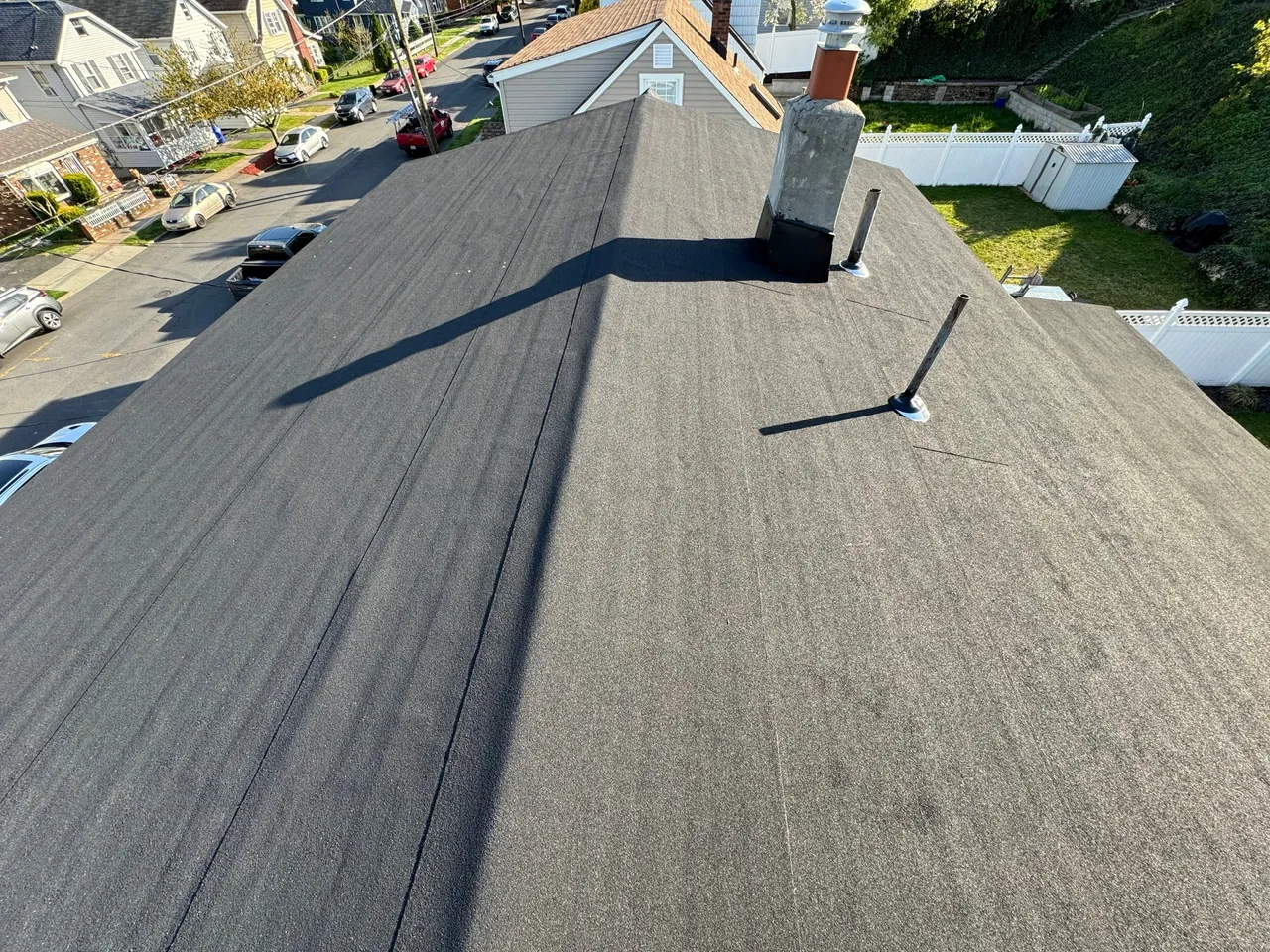
A roof replacement changes more than the top layer of a house. It affects curb appeal, attic temperatures, long-term maintenance, storm resistance, resale value, and even how a home sits in the landscape. In Succasunna, that decision carries extra weight because North Jersey roofs take a real beating. Winter ice, summer humidity, sudden wind events, heavy rain, and the occasional stretch of punishing heat all test materials in different ways. A roof that looks perfect in a showroom can perform very differently after ten years of freeze-thaw cycles and tree debris.
That is why material selection deserves more than a quick glance at color swatches. Homeowners often start with style, and that makes sense. The roof is one of the largest visible surfaces on the property. But style alone is not enough. The best roof replacement balances appearance with structure, ventilation, maintenance needs, neighborhood context, and budget. When those pieces line up, the finished roof looks right on day one and still makes sense fifteen or twenty years later.
For anyone planning a Roof Replacement Succasunna, NJ project, the smartest approach is to think in terms of performance first, then refine the look. Beauty lasts longer when the system underneath it is suited to the house and the climate.
What makes roofing choices different in Succasunna
Local conditions shape roofing decisions more than many people realize. Succasunna homes often sit beneath mature trees, which adds shade but also creates leaf buildup, moss potential, and more branch debris during storms. In winter, snow can linger on north-facing roof planes while south-facing sections warm and shed faster. That temperature contrast matters. It can contribute to ice dams when attic insulation and ventilation are not working together.
Roof pitch also comes into play. Some homes in the area have straightforward gable roofs that are relatively easy to strip and reroof. Others have valleys, dormers, attached garages, low-slope transitions, skylights, and chimney flashing details that demand careful craftsmanship. A material that works beautifully on one home may not be the best fit on another if the roof geometry is more complex.
Then there is the age of the housing stock. In many neighborhoods around Succasunna, a replacement is not happening on a brand-new frame. Contractors may uncover older decking, inconsistent ventilation, or repairs from storms that happened long before the current owner bought the house. Material choice should reflect the actual condition of the roof assembly, not just the wish list.
Asphalt shingles still lead for good reasons
For most homeowners, architectural asphalt shingles remain the default option, and not simply because they cost less than premium materials. A good shingle roof offers solid weather protection, broad color options, straightforward repairability, and reliable value. On many homes in Morris County, it is also the most visually appropriate choice. It looks natural in established neighborhoods and adapts well to colonial, ranch, cape, and split-level styles.
There is a wide range within the asphalt category. Basic three-tab shingles still exist, but they are less common for full replacements on owner-occupied homes. Architectural shingles, also called dimensional or laminated shingles, are the standard recommendation in most cases. They provide better thickness, better wind ratings in many product lines, and a fuller shadow line that helps the roof look more substantial from the street.
The difference is noticeable. A thin, flat roof can make an otherwise attractive home seem tired. A well-chosen architectural shingle in a balanced tone, weathered wood, charcoal, driftwood, slate gray, can sharpen the whole exterior without making it look overly dark or heavy.
Performance varies by brand and product tier, so homeowners should not assume all shingles are equal. Granule retention, sealant quality, algae resistance, impact resistance, and warranty terms all matter. Even then, the installation often matters more than the label. A premium shingle installed over poor decking or with careless flashing will not outperform a mid-range shingle installed correctly.
When metal roofing makes sense
Metal roofing has gained traction in New Jersey, and for some homes it is an excellent fit. It sheds snow efficiently, stands up well to many weather conditions, and can last a long time when properly installed. It also has a clean, crisp look that appeals to homeowners who want something more distinctive than shingles.
That said, metal is not automatically the superior choice for every Roof Replacement Succasunna, NJ project. The roof design matters. Budget matters. So does the architectural character of the home. A standing seam metal roof can look striking on a modern farmhouse or a home with simpler roof lines. On a traditional suburban colonial, it can either elevate the home or look out of place, depending on the proportions, siding, trim, and color palette.
Noise is often discussed, sometimes inaccurately. A properly installed metal roof over a typical residential roof assembly is not usually the drum people fear during rain. Insulation and sheathing help blunt that effect. The bigger practical considerations are cost, installer expertise, flashing precision, and expansion and contraction details. Metal roofs demand skill. A contractor who mostly installs shingles is not automatically the right choice for this type of work.
Homeowners should also think carefully about aesthetics over time. A matte black standing seam roof looks sharp in photos, but on some homes it can read too severe, especially if the siding, shutters, and masonry are already dark. In person, the best metal roof selections usually create contrast without overwhelming the rest of the house.
Synthetic and composite options occupy an interesting middle ground
Some homeowners love the appearance of slate or wood shake but not the weight, maintenance, or cost. That is where synthetic roofing products can enter the conversation. Composite shingles and molded synthetic slate or shake products aim to deliver a premium look with less structural strain and, in some cases, easier installation than natural materials.
These products can be impressive. From the curb, some are convincing enough to fool even attentive observers. On the right home, especially one with stonework, steep pitches, or higher-end exterior details, they can create real visual depth. They also tend to perform well in moisture-prone climates if the product line is reputable and installed according to spec.
Still, this category requires careful vetting. Some products have stronger long-term records than others. Color stability, impact resistance, and warranty support can differ significantly. I have seen homeowners fall in love with the appearance and then discover that only a short list of contractors in the area are comfortable installing the material properly. Availability of qualified labor should always be part of the decision.
Natural slate and cedar are beautiful, but not casual decisions
Natural slate is one of the most beautiful roofing materials available. It has depth, variation, and presence that manufactured products rarely match. On the right house, it can be extraordinary. Cedar shake also offers a warmth and texture that many homeowners still admire.
But both materials require realism. Slate is heavy. Not every house is framed for it without structural review. Repairs require specialized knowledge, and not every roofer works on slate competently. Cedar brings maintenance concerns, weathering issues, and local code considerations depending on the situation. In a humid climate with tree cover, cedar can age unevenly and demand more upkeep than homeowners expect.
These roofs can be worth it, especially on architecturally significant homes or high-end custom properties where authenticity matters. They are simply not casual upgrades. The best candidates are homeowners who want the material for specific aesthetic and historical reasons and understand the ongoing commitment.
Matching roofing material to the house, not just the sample board
A mistake I see often is selecting a roof in isolation. The homeowner chooses a color or product under showroom lighting, then the finished roof clashes with the siding, brick, stone, or trim once it is installed across 2,000 square feet. Roof materials need to be judged in context, outdoors, and from a distance.
A warm beige house with brown undertones may look best with a softer weathered blend rather than a hard charcoal. Red brick can pair beautifully with muted grays, but a cool blue-gray shingle might fight the masonry instead of complementing it. Homes with multiple exterior finishes often need a roof color that acts as a bridge. That usually means avoiding the most dramatic option in favor of something balanced.
This is also where neighborhood context matters. Nobody wants a roof that disappears, but most homeowners also do not want the one house on the block that looks visually off-key. The goal is not conformity. It is proportion and harmony. A strong roof should anchor the home, not distract from it.
The roof system matters as much as the visible material
A roof replacement is not just shingles or panels. It is an assembly. Underlayment, ice and water protection, starter courses, ridge ventilation, pipe boots, flashing, drip edge, and fasteners all affect performance. Problems that homeowners blame on materials are often system failures.
Ventilation is a prime example. Poor attic airflow can shorten roof life, contribute to moisture buildup, and worsen summer heat in upper rooms. During replacement, it is often the right time to correct old ventilation issues, especially on homes with inconsistent soffit intake or outdated exhaust setups. That may mean adding ridge venting, improving intake pathways, or addressing insulation that blocks airflow at the eaves.
Flashing deserves equal attention. Chimneys, sidewalls, valleys, skylights, and plumbing penetrations are frequent leak points. A beautiful new roof will not stay beautiful if flashing details are rushed. In many reroof projects, the visible surface gets the attention, but the longevity comes from these less glamorous components.
Weight, structure, and what the house can actually carry
Not every roof can accept every material without further evaluation. Asphalt is relatively forgiving from a structural standpoint. Slate and certain tile products are not. Even some heavier composite systems can raise questions on older framing. This is especially relevant when homeowners want to upgrade from a standard shingle roof to something far more substantial.
An experienced contractor should consider the age and condition of the roof deck and the framing below. If there is any doubt, a structural review is money well spent. It is much better to learn early that a desired material requires reinforcement than to find out mid-project after the old roof is already off.
This is one reason asphalt remains such a practical choice. It gives homeowners aesthetic flexibility without asking too much of the existing structure. In many cases, that practicality is exactly what makes it the smartest option.
Cost is not just the installation number
Homeowners naturally focus on the proposal total, but material value should be measured over time. A less expensive roof that needs earlier replacement, more frequent repair, or premature maintenance is not always the better financial choice. At the same time, the most expensive roof is not always the wisest investment if the house, neighborhood, or ownership timeline does not support it.
Think of roofing cost in layers. There is the upfront installation cost, the likely service life, the maintenance burden, the repair complexity, and the effect on resale. A homeowner planning to stay for twenty years may justify a higher-end product differently than someone expecting to move in five. Neither approach is wrong. It simply changes the math.
Here are a few practical questions worth asking before settling on a material:
- How long do you realistically expect to stay in the home?
- Does the material suit the roof pitch, house style, and local climate?
- Will repairs be simple if storm damage occurs?
- Are qualified installers readily available in your area?
- Does the visual upgrade justify the price on this specific property?
Those questions tend to cut through marketing quickly. They bring the conversation back to fit, which is where good roofing decisions are made.
Energy performance is real, but it is often misunderstood
Roof color and material can influence heat absorption, but homeowners should be cautious about exaggerated energy claims. A lighter roof may reduce surface heat gain in summer, and some products are designed with reflective properties. That can help. Still, attic insulation and ventilation usually play a larger role in indoor comfort than material color alone.
I have seen upper floors run hot under brand-new roofs, not because the shingles were wrong, but because the attic lacked proper airflow Roof Replacement Succasunna, NJ and insulation balance. A roof replacement is an opportunity to look at the whole system. If a home has chronic comfort issues upstairs, the solution may involve more than the exterior surface.
That does not mean color is irrelevant. In full sun, a very dark roof can run hotter than a lighter one. But in a tree-lined neighborhood with partial shade and decent attic design, the performance gap may be smaller than people expect. This is one of those topics where context matters more than broad claims.
Storm resistance and repairability deserve more attention
North Jersey weather has become less predictable, and roofs need to handle wind-driven rain, branch impact, and fast temperature swings. Material selection should include a realistic conversation about storm resistance and repair logistics. Some premium systems last a long time but are more expensive or specialized to repair after isolated damage. Asphalt, by contrast, is often easier to patch if a section is affected by a fallen limb or missing shingles after high wind.
Impact-resistant shingles can be worth discussing if a property is especially exposed or surrounded by mature trees. They are not magic shields, but they may offer better resilience in certain conditions. Metal also performs well in many weather scenarios, though individual panel damage can be more involved to address than a straightforward shingle repair.
This is another place where lifestyle matters. A homeowner who wants the simplest future maintenance path may choose differently than someone who prioritizes architectural distinction above all else.
What homeowners often overlook during material selection
The most successful roof replacements usually happen when homeowners think beyond the field material and consider the visible details that frame it. Ridge caps, ventilation profiles, flashing color, gutter integration, and even shingle lines around dormers all contribute to the finished appearance. The difference between a roof that looks merely new and one that looks tailored often comes down to those details.
Contractor communication also matters more than product brochures. A good roofer should explain why a certain underlayment is appropriate, where ice and water protection will go, how flashing will be handled at walls and chimneys, and whether any decking replacement is likely once the tear-off begins. If those answers are vague, the proposal is incomplete no matter how attractive the shingle sample looks.
One of the most revealing moments on a job is the first hour after tear-off starts. That is when hidden conditions show up. Soft decking around penetrations, old leak staining, insufficient intake ventilation, layered flashing repairs from prior work, these are common. Homeowners should be prepared for the possibility that a roof replacement becomes partly a correction project. That is normal. The important thing is having a contractor who identifies issues clearly and addresses them properly instead of covering them over.
A sensible path for most Succasunna homeowners
Most homes in Succasunna do very well with a high-quality architectural asphalt shingle installed as part of a complete roofing system, with close attention to ventilation, flashing, and weatherproofing at vulnerable areas. That combination usually delivers the best blend of appearance, durability, and value. It is not flashy advice, but in roofing, flashy is often overrated.
For homes with a stronger design statement, or for homeowners who place a premium on longevity and architectural distinction, metal or select composite products can be excellent choices when the house and budget support them. Natural slate or cedar belongs in a narrower category, best reserved for homes where those materials truly fit both the structure and the owner's expectations.
The key is not to chase the most expensive option or the trendiest one. It is to choose the roof that looks right on the house, performs well in local conditions, and makes practical sense over time. A well-selected roof replacement should feel inevitable once it is installed, as if the home was always meant to wear that material.
That is the standard worth aiming for in any Roof Replacement Succasunna, NJ project. Beauty matters. Performance matters more. The best roofs deliver both without forcing either one.
Royalty Exteriors
151 NJ-10 Suite 103A, Succasunna, NJ 07876, United States
+1 973-333-7234
FAQ About Roof Replacement Succasunna, NJ
What are signs a roof needs replacing?
Widespread shingle deterioration, repeated leaks, or damaged decking can point to a larger problem. A roofer can inspect the roof covering, flashing, and deck to determine whether the damage is localized or whether replacement makes more sense.
How long does it take to reroof a 2000 square foot house?
Royalty Exteriors estimates one to three days for many single-family roof replacements. A house’s floor area does not tell you the actual roof area. Pitch, roof features, weather, and any decking repairs can change the schedule.
How long should a roof last in NJ?
There is no single lifespan for every roof. Material, installation quality, attic ventilation, maintenance, and exposure to storms all affect how long a roof remains serviceable. An inspection can help you assess its condition and plan for replacement.
❧