November 5, 2026
How Snow and Ice Affect Roof Replacement Decisions in Succasunna, NJ
By @devinqqig461
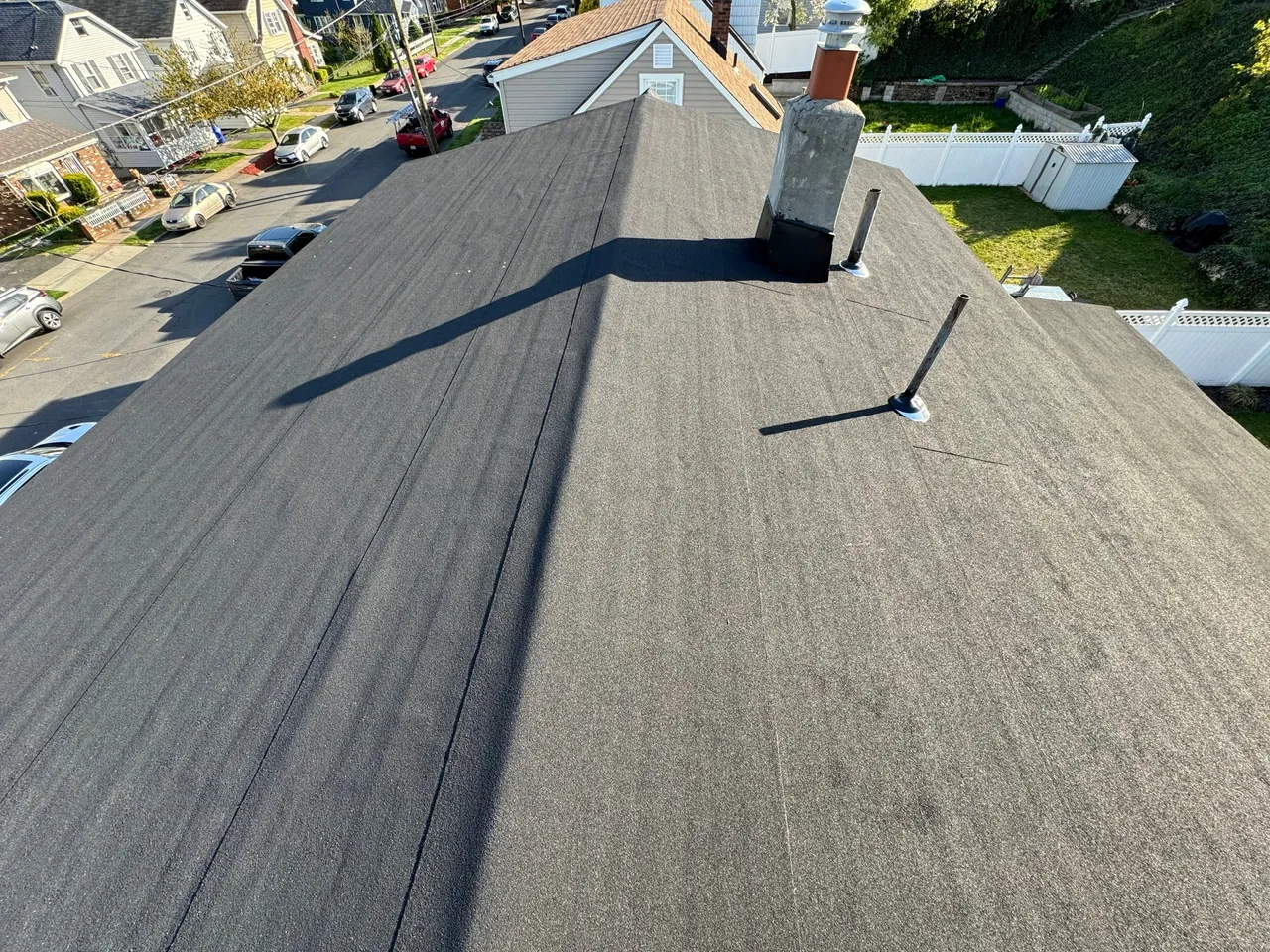
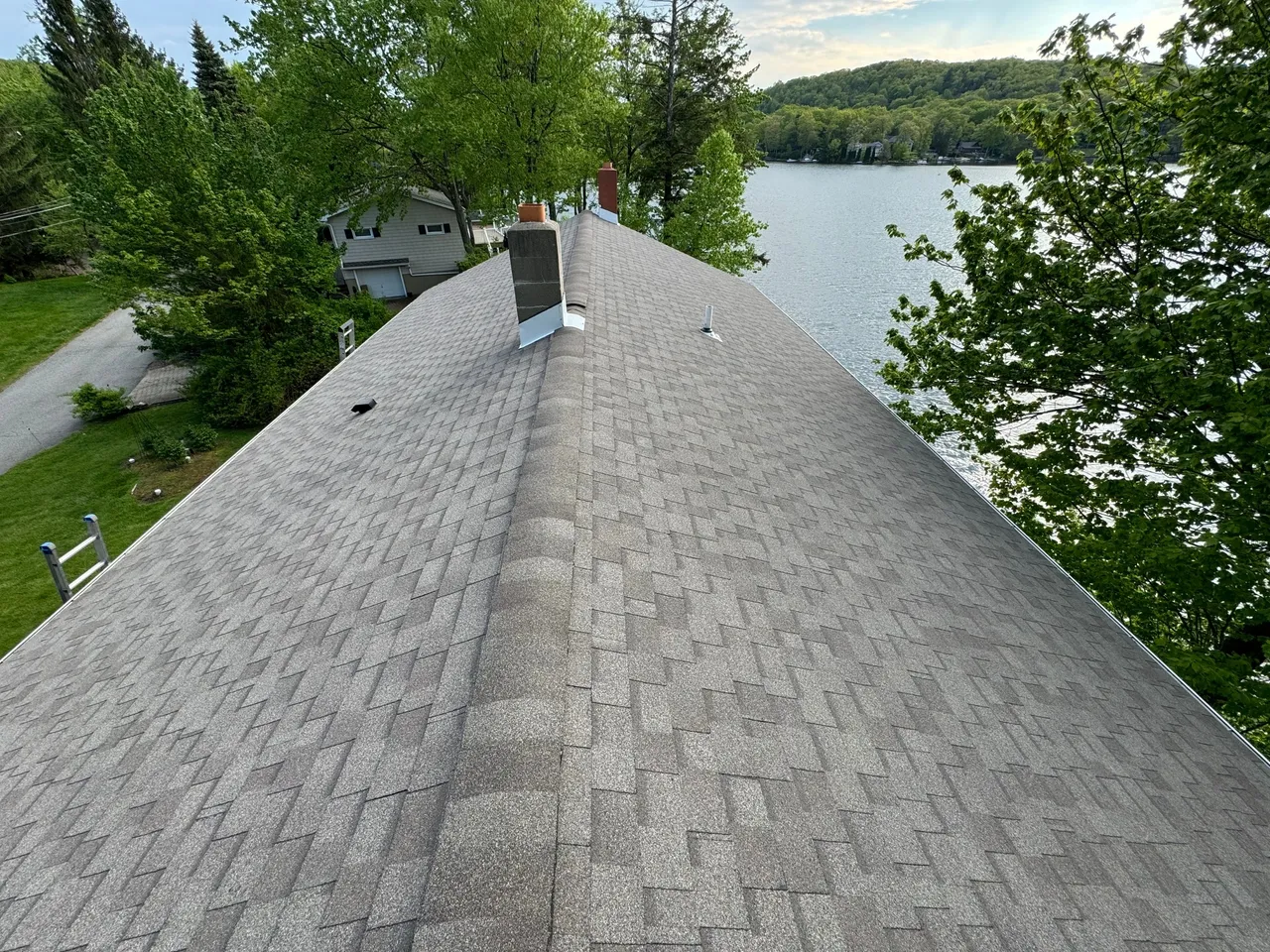
Winter changes the way roof problems show up, and in Succasunna, it often changes the timing of replacement decisions too. A roof that looked serviceable in October can start leaking in January after a few cycles of snow, melt, and overnight refreezing. Another roof may not leak at all, yet still be structurally tired enough that one heavy storm pushes a homeowner from patching to full replacement. That is the reality of roofing in northern New Jersey. Snow and ice do not create every roof problem, but they are excellent at exposing the ones already there.
Homeowners often ask a simple question: should I replace the roof now, or can it wait until spring? The answer depends on more than age. It depends on how the roof sheds water, how much insulation and ventilation are in the attic, how many layers are already on the house, and what winter weather is doing to the shingles, flashing, and decking. In a place like Succasunna, where winter can bring wet snow, freeze-thaw swings, and occasional ice dam conditions, those details matter.
A thoughtful Roof Replacement Succasunna, NJ decision has to account for climate, house design, and the condition of the existing system. Looking only at the calendar misses the point.
Why winter is hard on roofs in Morris County
Snow itself is not always the main villain. Fresh, fluffy snow can sit on a roof with less impact than a cold rainstorm driven sideways by wind. The trouble starts when snow accumulates, compacts, melts unevenly, and refreezes at colder roof edges. That repeated movement of water in different states is what turns minor vulnerabilities into visible damage.
In Succasunna, roofs are often dealing with a mix of conditions rather than one dramatic event. A storm drops several inches of snow. The next day the sun warms the upper roof surface. Meltwater runs down toward the eaves, where temperatures are lower. Overnight, that water freezes again. If enough ice forms along the edge, incoming meltwater can no longer drain properly and begins backing up beneath shingles. Once water gets under the shingle field, leaks can appear around exterior walls, ceilings, soffits, and even light fixtures.
That sequence is especially rough on older asphalt shingle roofs. As shingles age, they lose flexibility and more granules wash away. Adhesive strips may no longer seal tightly, and exposed nail heads or fatigued flashing become weak points. Winter does not politely reveal those weaknesses. It exploits them.
There is also the issue of weight. Roofs in this part of New Jersey are designed with snow loads in mind, but every roof ages differently. A roof with soft decking, hidden moisture damage, or framing issues may not respond to a heavy, wet snowfall the way it did twenty years ago. Wet snow is much heavier than most homeowners expect. Even when it does not create a collapse risk, it can stress already compromised areas and worsen sagging or deformation.
Snow load is only part of the story
People tend to picture roof replacement decisions as a response to dramatic structural danger, but more often the push comes from moisture management. A roof can survive the weight of winter while still failing at its main job, which is moving water out and away from the house.
I have seen homes where owners focused entirely on how much snow was sitting on the roof, when the more important issue was the ice line building at the gutters. I have also seen the opposite, a homeowner alarmed by icicles when the actual roof covering was in decent shape and the bigger problem was attic heat loss. Those distinctions matter because replacing a roof without correcting the underlying thermal or ventilation problem can leave the homeowner with the same headaches a year later.
This is one reason experienced contractors spend time looking beyond the shingles. They want to see attic temperatures, insulation distribution, ridge and soffit ventilation, flashing details, gutter conditions, and signs of past repairs. In winter climates, a roof is not just a top layer. It is part of a system.
Ice dams often force the replacement conversation
Ice dams have a way of making a slow decision suddenly urgent. They are one of the most common winter-related reasons homeowners begin discussing replacement in earnest.
An ice dam forms when heat escaping from the house warms the upper roof and melts snow, while the lower edge stays cold enough to refreeze that meltwater. Over time, a ridge of ice develops at the eaves. Water behind it has nowhere to go. It pools, then migrates under shingles and into the roof assembly.
A newer roof with proper underlayment, ice-and-water membrane in vulnerable areas, and sound flashing may resist that intrusion for a while. An older roof with brittle shingles and tired seals often cannot.
What makes ice dams so frustrating is that they do not always announce themselves neatly. You might see staining on a bedroom ceiling far from the edge where the actual dam formed. You might notice peeling paint around window trim. You might only realize there is a problem when insulation in the attic is damp, compressed, and starting to support mold growth. By then, the issue is no longer cosmetic.
When homeowners in Succasunna call after an ice event, the central question is not always whether damage happened. It is whether the roof has enough remaining life to justify repairs. If the shingles are near the end of their useful service period and winter water intrusion has already affected decking or interior finishes, replacement is often the more defensible investment.
The signs that winter damage has crossed the line
There is a difference between a roof that had a hard winter and a roof that should be replaced before the next one. The distinction usually comes down to pattern, extent, and age. One isolated leak around a vent boot may be repairable. Multiple leak points, recurring ice backup, or broad shingle deterioration are another matter.
Here are some winter-related signs that often push the conversation toward replacement:
- repeated leaks after snow or ice events
- sagging roof planes or soft spots in decking
- missing, cracked, or heavily granule-worn shingles
- chronic ice dam formation despite basic maintenance
- attic moisture, frost, or mold tied to roof system failure
That list is not a diagnosis by itself, but it is a useful threshold. Once several of those conditions show up together, short-term repairs become less convincing.
Age matters too. Many asphalt shingle roofs in New Jersey begin showing meaningful wear somewhere around the 18 to 25 year range, though product quality, installation standards, ventilation, sun exposure, and storm history all affect that timeline. A twenty-year-old roof with winter leak history deserves a very different recommendation than a ten-year-old roof with one flashing issue.
Why patching sometimes costs more than waiting too long
Homeowners often hope for one more repair, one more season, one more year. Sometimes that is reasonable. Sometimes it is the expensive choice.
A well-executed repair can buy time when the roof is fundamentally sound. Replacing damaged pipe boots, resealing flashing, addressing a small section of wind damage, or improving attic ventilation can all make sense. The problem comes when repairs are layered onto a roof that is already failing in multiple ways. Winter exposes that quickly.
Imagine a roof with aging shingles, no modern ice barrier at the eaves, and minor deck softness near the valleys. The homeowner pays to stop a leak in February. A new storm arrives in March. Water then finds its way under a different section. By summer, they have paid for temporary fixes, drywall repair, insulation replacement, and still need a new roof. That is a common sequence.
The decision should always be framed in terms of total cost and risk, not just the Roof Replacement Succasunna, NJ immediate estimate. Delaying replacement can mean higher interior repair bills, wood rot, reduced insulation performance, and more difficult future installation conditions if damage spreads.
Winter replacement is possible, but it requires judgment
Some homeowners assume roof replacement simply cannot be done during winter in New Jersey. That is not accurate. Roofs are replaced in cold weather all the time. The better question is whether winter is the right time for this specific house, this specific roof, and this specific weather window.
Cold-weather roofing requires more care with material handling and installation technique. Shingles can be stiffer and more prone to cracking if mishandled. Seal strips may take longer to activate fully in lower temperatures. Crews need to manage underlayment, flashing, and exposure to moisture carefully. Manufacturer requirements still apply, and reputable contractors pay close attention to them.
There are practical limitations. A roof buried under ice, or a week of active storms, may delay work. Safety becomes a bigger factor on steep slopes and shaded elevations. Tear-off and decking replacement can also be more complicated if snowmelt is recurring. But if the roof is leaking and weather permits, replacement may still be smarter than waiting months while damage continues.
In practice, many winter projects in Succasunna happen because the homeowner has crossed from elective replacement into necessary replacement. If active water intrusion is occurring, protecting the home takes precedence over ideal seasonal timing.
Spring is popular, but not automatically better
Spring has obvious advantages. Temperatures are milder, schedules are more predictable, and homeowners have usually had time to assess winter damage. Materials handle more easily. Seal strips activate faster. Crews can often move efficiently without the stop-start pattern winter weather creates.
Still, waiting for spring is not always the lower-risk move. If the roof has already taken on water, several months of exposure can worsen the condition of the decking and attic. Small leaks rarely stay small through repeated storms. By the time spring arrives, the scope of work may be larger.
There is also a market reality. Once winter breaks, good roofing contractors get booked quickly. A homeowner who decides in March may not get an installation date as early as expected. If the roof is marginal, that backlog matters.
This is why many property owners start the evaluation process while winter is still underway. Even if full replacement happens a few weeks later, the planning, inspection, budgeting, and product selection can begin immediately.
What a contractor should evaluate before recommending replacement
A responsible recommendation is based on more than surface appearance. Snow and ice often hide the true condition of a roof, so the inspection process should combine interior clues, attic observations, and accessible exterior findings.
The most useful winter-era evaluations usually include a close look at leak patterns, attic ventilation, insulation gaps, eave protection details, chimney and wall flashing, valley conditions, and signs of deck movement. Contractors should also ask when leaks occur. During driving rain only? After snow melts? During freeze-thaw cycles? That timing tells a story.
A homeowner should expect a contractor to explain whether the problem is primarily age-related, installation-related, or house-performance-related. Those categories overlap, but they are not the same. A roof with another five years of life may still leak if warm attic air is creating severe ice dam conditions. Conversely, perfect attic insulation will not rescue shingles that are simply worn out.
When discussing Roof Replacement Succasunna, NJ projects, local weather history matters as well. North-facing slopes, shaded tree coverage, older gutter layouts, and ranch homes with long eave lines can all experience winter stress differently than a newer colonial with balanced ventilation and strong solar exposure.
Material and design choices that matter in snowy conditions
Not every replacement decision is about whether to replace. Sometimes it is about how to replace wisely.
Asphalt shingles remain the most common choice in the area, and for many homes they are a sensible option. The important variables are shingle quality, underlayment strategy, flashing workmanship, and attic performance. A premium shingle on a poorly vented roof is not a premium system in practice.
Ice-and-water protection is especially important at eaves, valleys, and other vulnerable transitions. Proper flashing around chimneys, dormers, skylights, and sidewalls becomes even more critical in freeze-thaw weather because those intersections are where backed-up water often finds its opening.
Ventilation deserves special attention. Homeowners often hear that “more ventilation” is always better, but balance matters. Intake and exhaust need to work together. Randomly adding roof vents to a system that lacks proper soffit intake can create disappointing results. A measured attic strategy helps control roof deck temperatures and reduces the conditions that lead to uneven snowmelt.
Slope and geometry affect replacement planning too. Low-slope transitions, dead valleys, complex dormer arrangements, and long gutter runs all deserve careful detailing in a climate where snow and refrozen meltwater are routine concerns.
Insurance, budgeting, and timing after a rough winter
Winter roof damage also brings financial decisions into play. Homeowners sometimes assume insurance will cover replacement after a leak caused by snow or ice. Sometimes there is covered damage, especially when a storm event causes sudden harm. Sometimes there is not, particularly if the carrier views the issue as long-term wear, deferred maintenance, or repeated seepage. The roof’s age and documented condition before the loss often influence how those claims are evaluated.
That makes good records useful. Photos from prior inspections, notes on repairs, attic moisture findings, and storm-date documentation can help clarify whether a roof was generally serviceable before a specific event. Even then, outcomes vary. It is wise for homeowners to understand both the insurance angle and the out-of-pocket scenario before deciding how aggressively to move.
Budgeting for replacement after winter should also account for related work. If leaks have affected insulation, drywall, trim, or sheathing, the roof estimate may not be the whole project cost. Gutter upgrades, ventilation corrections, and chimney flashing improvements may also be part of a durable fix. That broader view prevents surprises.
A practical way to decide whether to replace now or later
The clearest decision-making framework is usually a blend of condition, consequence, and season. Condition asks what shape the roof is actually in. Consequence asks what happens if you are wrong and wait. Season asks whether current weather allows proper work or makes temporary stabilization the smarter first step.
A homeowner in Succasunna who has an older roof, recurring winter leaks, and visible shingle fatigue is usually better served by planning replacement promptly rather than hoping for a gentle rest of winter. A homeowner with a younger roof, no history of leaks, and one isolated flashing failure may reasonably choose a targeted repair and close monitoring.
The best questions to ask during that decision are straightforward:
- Is the roof failing in one spot, or across the system?
- Has winter revealed a repair issue, or an end-of-life issue?
- Will waiting likely increase interior or structural damage?
- Can the attic and ventilation problems be corrected along with roofing work?
- Is the contractor explaining both repair and replacement trade-offs clearly?
Those questions help cut through the noise. They move the conversation away from fear and toward evidence.
What homeowners in Succasunna should keep in mind
Local climate does not just shorten a roof’s life. It shapes the kind of failure you are most likely to see. In warmer regions, UV exposure may be the dominant force. In Succasunna, winter water movement is often the deciding factor. Snow sits, melts, refreezes, and tests every vulnerable detail on the roof. A home can look fine from the driveway and still be one freeze-thaw cycle away from interior staining.
That is why replacement decisions should not wait for dramatic visual damage. By the time shingles are obviously curling, large patches are bare of granules, or ceiling leaks are regular, the roof has usually been signaling trouble for a while. Drafty attic conditions, persistent icicles, isolated stains after storms, and repeated gutter-edge icing are often earlier warnings.
A sound replacement plan does more than install new shingles. It addresses why the old system struggled. That may mean improving ventilation, sealing attic bypasses, replacing damaged decking, extending ice protection where appropriate, or reworking flashing details that were never right in the first place. When done well, the result is not just a newer roof. It is a roof better suited to New Jersey winter.
For homeowners weighing Roof Replacement Succasunna, NJ options after a season of snow and ice, the key is to evaluate the whole assembly honestly. Winter has a way of showing what your roof can still handle, and what it cannot. The smart move is not always immediate replacement, but when winter damage reveals a system at the end of its run, clarity is worth more than another temporary patch.
Royalty Exteriors
151 NJ-10 Suite 103A, Succasunna, NJ 07876, United States
+1 973-333-7234
FAQ About Roof Replacement Succasunna, NJ
What are signs a roof needs replacing?
Widespread shingle deterioration, repeated leaks, or damaged decking can point to a larger problem. A roofer can inspect the roof covering, flashing, and deck to determine whether the damage is localized or whether replacement makes more sense.
How long does it take to reroof a 2000 square foot house?
Royalty Exteriors estimates one to three days for many single-family roof replacements. A house’s floor area does not tell you the actual roof area. Pitch, roof features, weather, and any decking repairs can change the schedule.
How long should a roof last in NJ?
There is no single lifespan for every roof. Material, installation quality, attic ventilation, maintenance, and exposure to storms all affect how long a roof remains serviceable. An inspection can help you assess its condition and plan for replacement.
❧